Are you worried that foreign government actions could impact the crypto earnings you rely on? This article explains how cross‑border crypto regulations work, what they aim to achieve, and how they can affect your ability to earn online.
What international crypto regulation actually means
Crypto regulation refers to the set of laws, rules, and enforcement actions that governments apply to digital assets. When a regulation is “international” it usually involves one country targeting activities that happen outside its borders but affect its citizens, financial system, or national security. Typical tools include sanctions, anti‑money‑laundering (AML) requirements, tax reporting mandates, and bans on certain services.
Key terms you’ll hear:
- Sanctions: Restrictions that prohibit individuals, companies, or entire sectors from dealing with certain assets or services.
- AML/KYC: Anti‑money‑laundering and know‑your‑customer rules that require platforms to verify user identities and monitor transactions for illicit activity.
- Tax reporting: Obligations for users to disclose crypto holdings or earnings to tax authorities.
- Licensing: Government‑granted permission for exchanges, custodians, or mining pools to operate legally.
These mechanisms are intended to prevent fraud, protect investors, and ensure that crypto activities do not undermine a country’s financial stability. Because digital assets are borderless, regulators often cooperate through international bodies such as the Financial Action Task Force (FATF) or through bilateral agreements.
Real‑world illustration
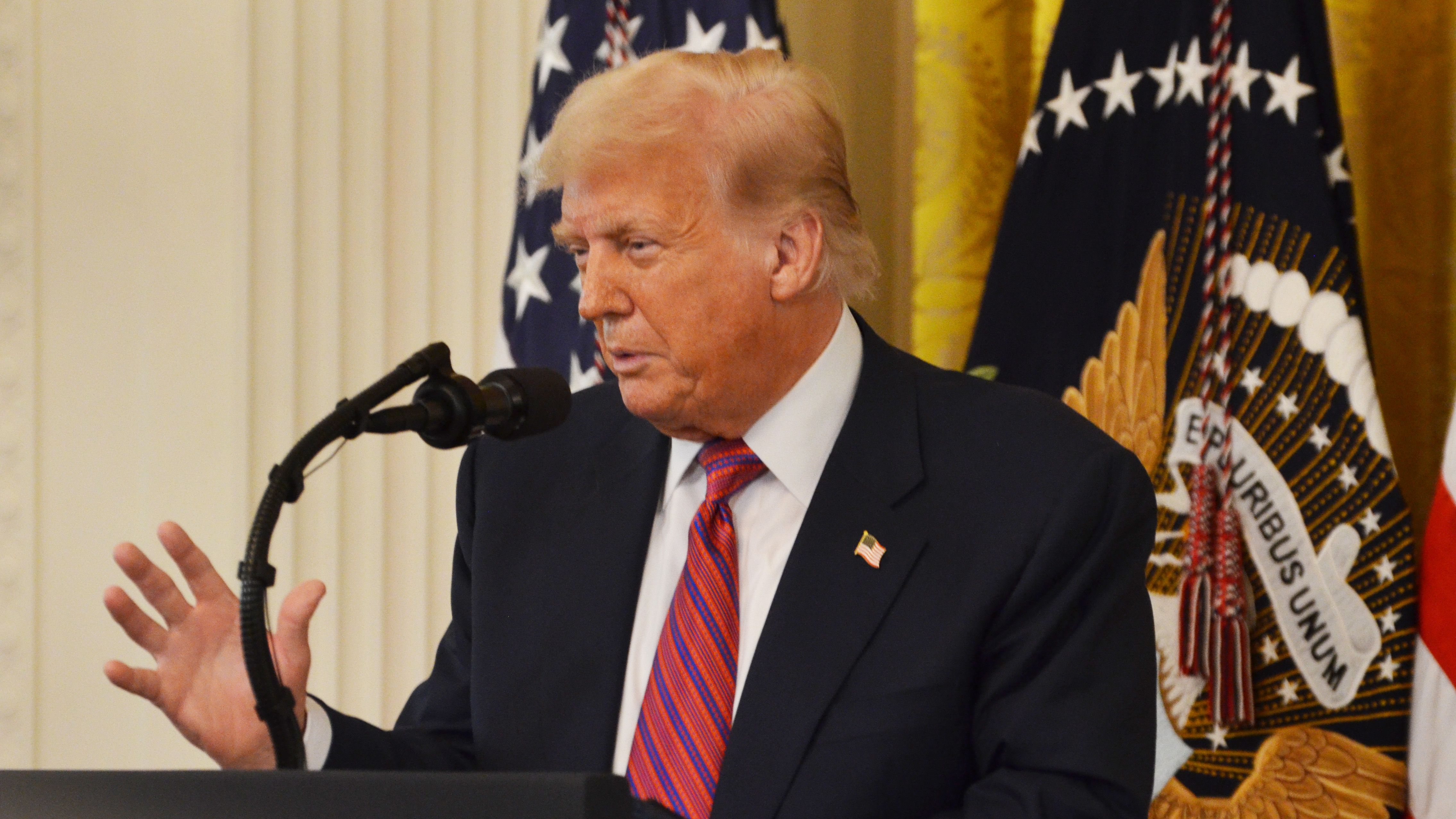
In March 2026, former U.S. President Donald Trump announced that the White House would host an event focused on “overseas crypto abuses.” The gathering aimed to highlight how foreign jurisdictions sometimes enable illicit crypto practices that can affect American users, such as unregulated mining operations that generate excessive carbon emissions or platforms that facilitate money‑laundering. While the event itself was a political statement, it underscored a broader trend: governments are increasingly scrutinizing cross‑border crypto activity and may take coordinated actions to curb perceived abuses.
What this means for you as an online earner
Whether you mine, stake, or use cloud‑based reward platforms, international regulation can influence three main areas:
- Access to services: Exchanges or mining pools that operate in jurisdictions deemed high‑risk may lose the ability to serve U.S. customers. You could find a favorite platform suddenly unavailable.
- Cost and speed of transactions: New AML/KYC checks often add verification steps, which can delay withdrawals or increase fees.
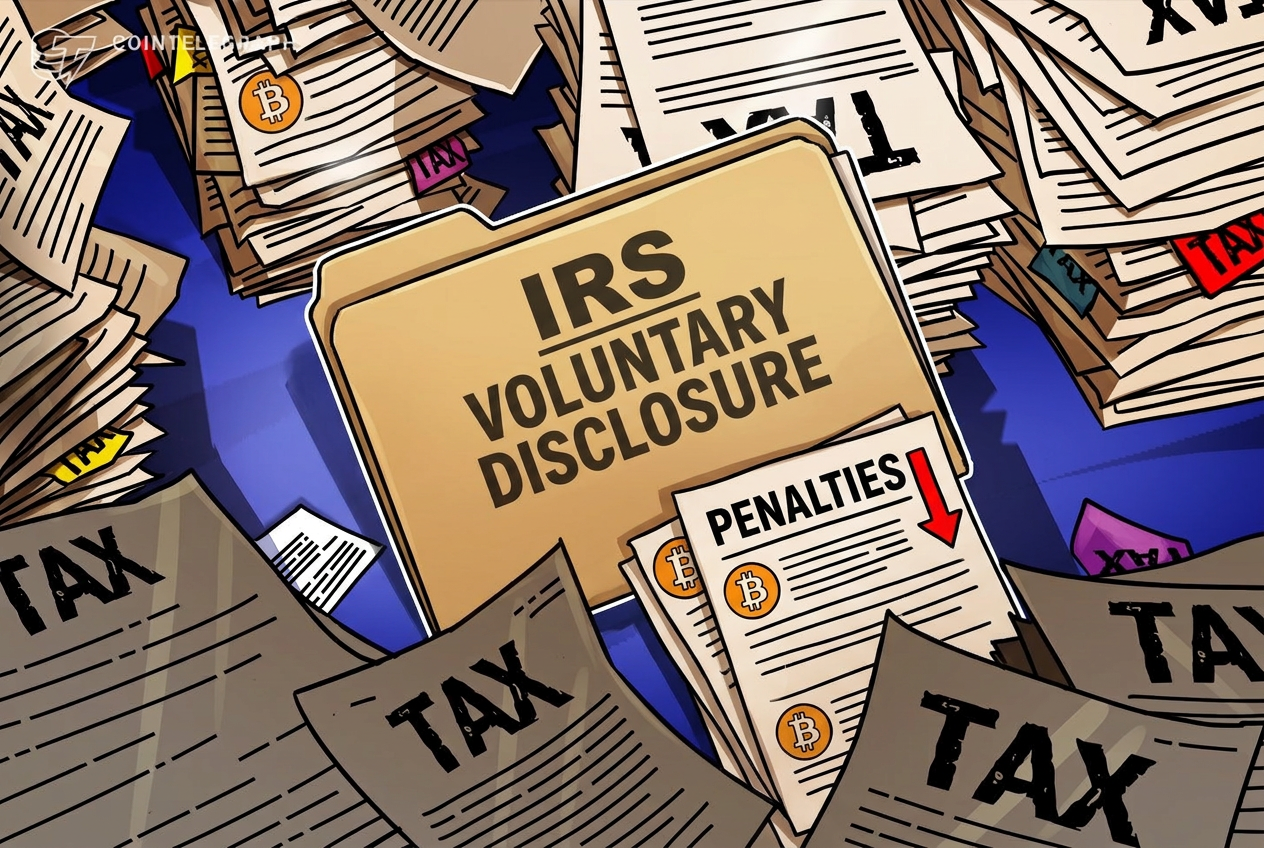
- Tax compliance: Governments may require more detailed reporting of foreign‑sourced crypto income, meaning you’ll need to keep better records of where earnings originate.
These changes do not necessarily stop you from earning, but they can add friction and require extra diligence.
How to evaluate the safety and sustainability of a crypto earning option
When assessing a platform or opportunity, consider the following checklist:
- Regulatory jurisdiction: Identify where the company is registered and whether that country has a clear crypto framework.
- Licensing status: Look for any licenses from financial regulators (e.g., a money‑transmitter license in the U.S. or a virtual asset service provider license in the EU).
- Compliance measures: Verify that the platform implements AML/KYC procedures and publishes a transparent privacy policy.
- Audit and transparency: Platforms that undergo third‑party audits of their code or financials provide an extra layer of trust.
- Carbon and environmental impact: For mining‑related earnings, check whether the operation uses renewable energy or participates in green initiatives, as some regulators are targeting high‑emission mining.
FAQ
Will a foreign ban on crypto affect my U.S. wallet?
Only if the service you use relies on that foreign jurisdiction. If a wallet provider or exchange is forced to shut down abroad, you may lose access to your funds on that platform, but your assets remain yours and can be moved to another service.
Do I need to report crypto earnings from overseas platforms?
Yes. Most tax authorities, including the IRS, require you to report worldwide income, which includes crypto earned on foreign platforms. Keep records of transaction dates, amounts, and the platform’s location.
How can I protect myself from sudden regulatory changes?
Diversify where you hold and earn crypto. Use platforms with strong compliance programs and consider keeping a portion of your earnings in self‑custodied wallets where you control the private keys.
Are there any benefits to regulation?
Regulation can increase consumer protection, reduce fraud, and bring legitimacy to the industry. In the long run, clear rules may make it easier for mainstream financial services to integrate crypto earning options.
This article references reporting from coindesk.com.