Ever wonder why Bitcoin’s price can swing dramatically even when nothing seems to change on the blockchain itself? This article explains how broader economic forces—like interest rates, oil prices, and geopolitical events—affect Bitcoin and what that means for anyone trying to earn online through mining, staking, or trading.
What macroeconomic factors are and how they interact with Bitcoin
Macro‑economic factors are large‑scale economic indicators that influence the overall financial environment. Common examples include central‑bank interest rates, inflation data, commodity prices (such as oil), and geopolitical developments. These factors shape investor sentiment, risk appetite, and the flow of capital across asset classes.
Bitcoin, despite being a decentralized digital asset, does not exist in a vacuum. When investors feel confident about the economy, they tend to allocate more capital to higher‑risk assets like cryptocurrencies. Conversely, when uncertainty rises—whether from rising yields, higher oil prices, or geopolitical tension—investors often move money into perceived safe havens such as government bonds or cash, prompting a “risk‑off” sell‑off in Bitcoin.
Key macro variables that regularly impact Bitcoin include:
- Interest rates and Treasury yields: Higher yields on U.S. Treasury bonds make fixed‑income investments more attractive relative to Bitcoin, which offers no guaranteed return.
- Inflation indicators: Data such as the Personal Consumption Expenditures (PCE) index influence expectations about future monetary policy. If inflation appears sticky, central banks may raise rates, which can pressure Bitcoin.
- Commodity prices: Oil and gold prices affect overall market risk sentiment. Rising oil prices can signal higher production costs and inflation, while falling gold often indicates reduced demand for safe‑haven assets.
- Geopolitical events: Conflicts, sanctions, or trade disputes can disrupt global supply chains and financial markets, leading investors to either seek refuge in Bitcoin or pull back into traditional assets.
Real‑world illustration
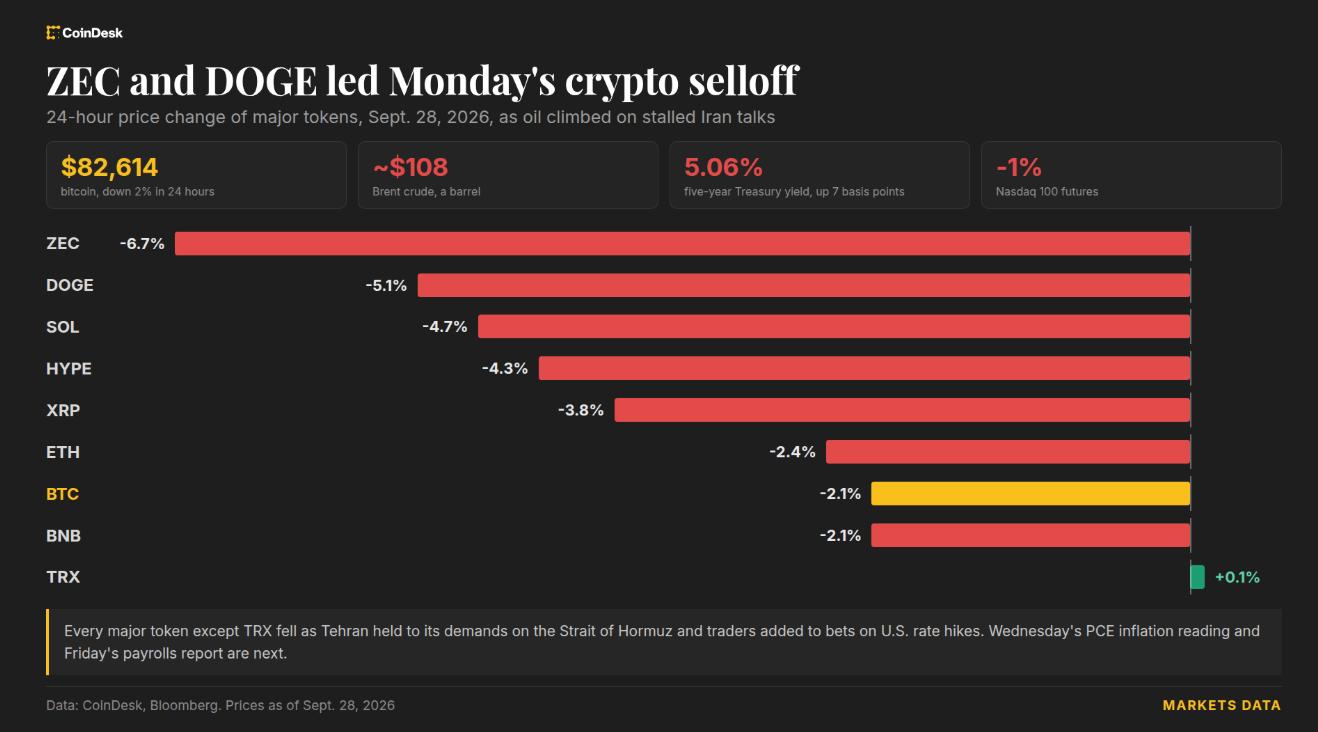
In March 2026, Bitcoin slipped below $83,000, trading around $82,600—a 2 % drop over 24 hours. The decline coincided with a rise in Brent crude toward $108 per barrel after Tehran refused to ease its demands for reopening the Strait of Hormuz. At the same time, U.S. five‑year Treasury yields rose to 5.06 %, reflecting expectations of further Federal Reserve rate hikes ahead of the upcoming PCE inflation report. Analysts described the move as a “risk‑off squeeze” triggered by a combination of higher yields, elevated oil prices, and profit‑taking after a sharp rally.
What this means for you
If you earn Bitcoin through mining, cloud rewards, or staking, macro shifts can affect the fiat value of your earnings even when the network’s block rewards stay the same. A rise in Treasury yields may depress Bitcoin’s price, reducing the dollar value of your daily payouts. Conversely, periods of high inflation or geopolitical tension can sometimes boost demand for Bitcoin as an alternative store of value, increasing your earnings when converted to fiat.
Understanding these dynamics helps you plan when to convert rewards, when to hold, and how to diversify your income streams. For example, you might allocate a portion of your earnings to a stablecoin or a low‑risk asset during times of rising yields, preserving purchasing power while still participating in the crypto ecosystem.
What to check before you act
- Yield environment: Monitor the U.S. Treasury curve, especially the 5‑year and 10‑year yields. A sustained increase often precedes a pullback in risk assets.
- Key inflation releases: Track the PCE index and Consumer Price Index (CPI) dates. Higher‑than‑expected numbers can signal upcoming rate hikes.
- Commodity price trends: Keep an eye on oil and gold prices. Sharp moves can indicate shifting risk sentiment.
- Geopolitical headlines: Events that could disrupt trade routes or create sanctions (e.g., tensions in the Strait of Hormuz) often ripple through all asset markets.
- Portfolio balance: Ensure you have a mix of crypto, stablecoins, and possibly traditional assets to smooth out volatility caused by macro swings.
FAQ
Why does a rise in Treasury yields hurt Bitcoin?
Higher yields make bonds more attractive because they offer a guaranteed return. When bonds look better, investors shift money away from riskier assets like Bitcoin, pushing its price down.
Can oil price spikes ever be good for Bitcoin?
Indirectly, yes. If rising oil prices fuel inflation concerns, investors may seek assets that they perceive as hedges against inflation, including Bitcoin. However, the same spikes can also raise production costs and reduce overall market risk appetite, leading to a sell‑off.
Should I convert my mining rewards to fiat immediately after a price drop?
Not necessarily. Consider your cash‑flow needs, the length of the price dip, and whether you expect macro conditions to improve. Converting during a temporary dip can lock in lower fiat value, while holding through a recovery may preserve earnings.
How often should I review macro indicators?
Monthly checks are a good baseline, with closer attention around major data releases (e.g., PCE, CPI, Fed meetings) and any emerging geopolitical events.
This article references reporting from coindesk.com.