Ever wondered how you can own Bitcoin without managing a wallet or a private key? This article explains what a spot Bitcoin exchange‑traded fund (ETF) is, how it differs from other crypto products, and what you should consider before adding one to your portfolio.
What a Spot Bitcoin ETF Actually Is
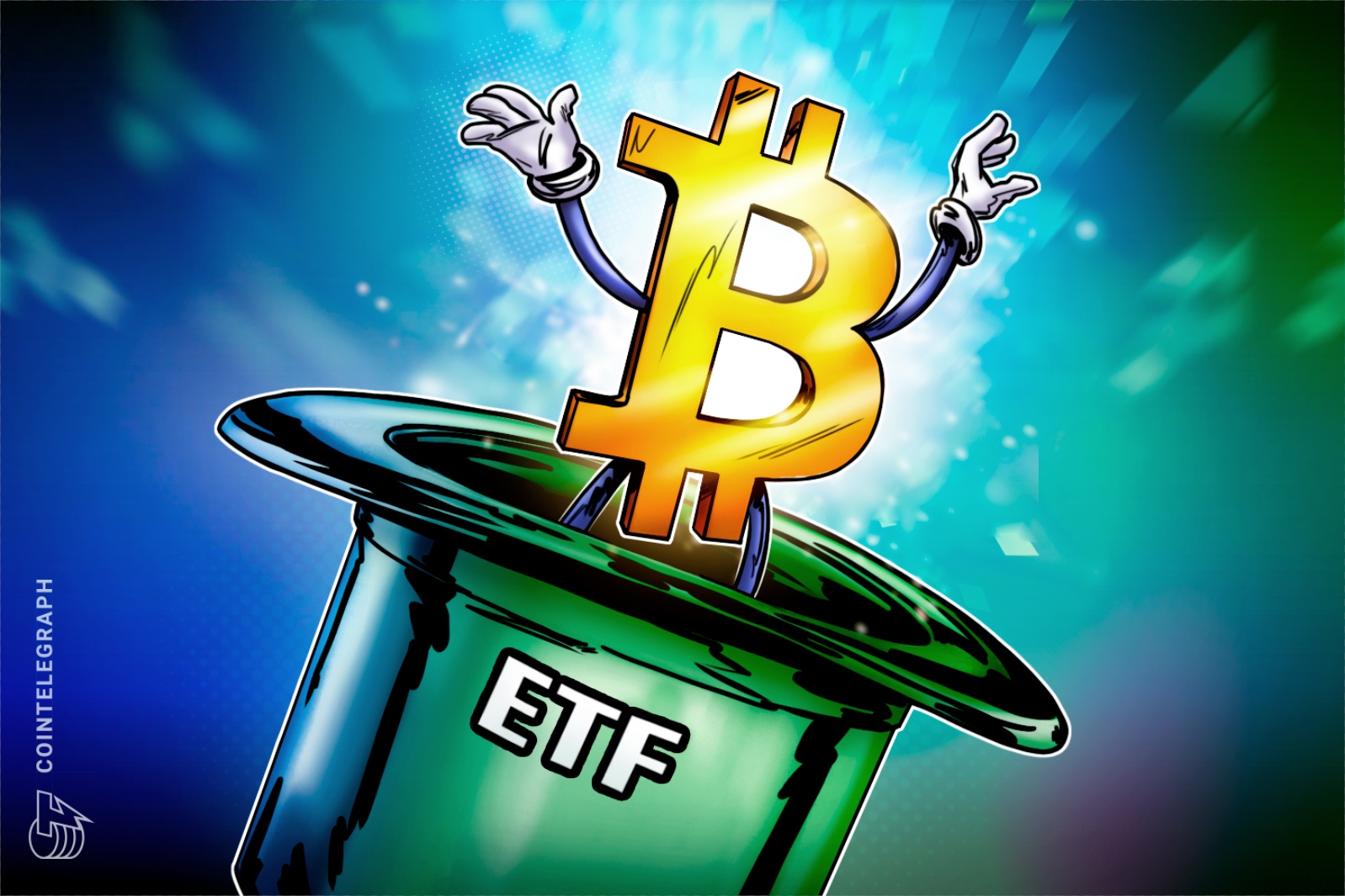
A spot Bitcoin ETF is a type of investment fund that holds actual Bitcoin, not futures contracts or derivative claims. The fund buys and stores the cryptocurrency on behalf of investors, and each share of the ETF represents a proportional claim on those underlying coins. Because the ETF trades on a traditional stock exchange, you can buy and sell shares through the same brokerage accounts you use for stocks, without dealing with a crypto exchange.
The term “spot” means the fund purchases Bitcoin at the current market price and keeps it in custody. This is different from “futures‑based” ETFs, which invest in contracts that promise to deliver Bitcoin at a future date and can introduce roll‑over costs and tracking errors.
Regulators typically require the fund’s assets to be “ring‑fenced,” meaning the Bitcoin is stored in a separate custodial account that is legally insulated from the fund manager’s own assets. This structure aims to protect investors if the manager were to become insolvent.
Real‑World Example: Switzerland’s First Spot Bitcoin ETF
In October 2026, Switzerland’s financial regulator FINMA approved BIT Asset Management’s Bitcoin Fund ETF (ticker BBIT) for public offering on the SIX Swiss Exchange. The fund holds Bitcoin directly and is restricted to retail investors in Switzerland. FINMA highlighted that most existing European crypto products are exchange‑traded products (ETPs), which are debt instruments that carry issuer risk, whereas BBIT is a collective investment scheme with assets ring‑fenced for investors.
What It Means for You
For a casual investor, a spot Bitcoin ETF offers a simple way to gain exposure to Bitcoin’s price movements while avoiding the technical steps of setting up a wallet, securing private keys, and choosing a custodian. Because the ETF trades like a stock, you can use familiar order types, set stop‑losses, and include the position in a broader portfolio allocation.
However, the price of the ETF share will still track Bitcoin’s volatility. If Bitcoin’s market price drops sharply, the value of your ETF shares will fall accordingly. The ETF does not eliminate market risk; it only changes how you access the asset.
How to Evaluate a Spot Bitcoin ETF
- Custody and Security: Check who the custodian is and whether the Bitcoin is stored in cold (offline) storage. Reputable custodians undergo regular audits.
- Fees: Look at the expense ratio, which covers management, custody, and administrative costs. Even a 0.5 % annual fee can erode returns over time.
- Regulatory Oversight: Ensure the fund is registered with a respected regulator (e.g., FINMA, SEC). Regulatory approval usually means the fund must meet transparency and capital‑adequacy standards.
- Liquidity: Verify that the ETF trades on a major exchange with sufficient daily volume. Higher liquidity reduces the spread between bid and ask prices.
- Tax Treatment: Understand how your jurisdiction taxes ETF dividends, capital gains, and any crypto‑related events. Some countries treat ETF shares like regular securities, simplifying tax reporting.
FAQ
Do I still need a crypto wallet to hold a spot Bitcoin ETF?
No. The ETF’s custodian holds the Bitcoin in a secure wallet. You only need a brokerage account to own the ETF shares.
Can I withdraw the underlying Bitcoin from the ETF?
Generally, retail investors cannot redeem shares for the actual Bitcoin. The fund is designed for exposure, not for direct ownership.
How does the ETF’s price stay in line with Bitcoin’s price?
The fund regularly rebalances its holdings to match the market price of Bitcoin, and authorized participants can create or redeem shares in large blocks, which helps keep the share price close to the net asset value.
Is a spot Bitcoin ETF safer than buying Bitcoin on an exchange?
It reduces certain risks, such as losing private keys or dealing with exchange insolvency, but it does not eliminate market risk or the possibility of custodian failure. Always assess the custodian’s reputation and the fund’s regulatory safeguards.
This article references reporting from cointelegraph.com.