
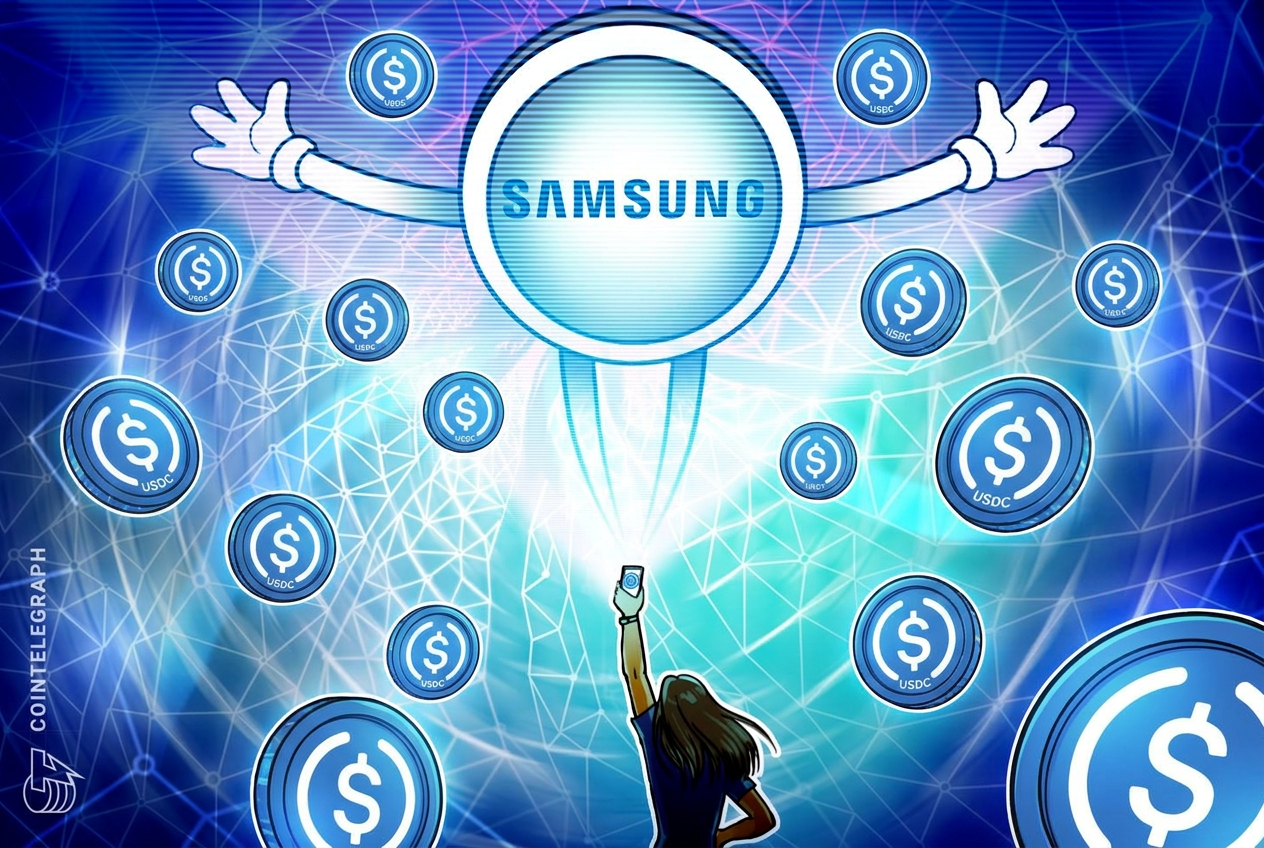
Ever wondered how you can send money across borders as easily as a text message? This article explains how stablecoin transfers on mobile wallets operate, what you need to know before using them, and how they fit into everyday online earning.
What a stablecoin transfer actually is
A stablecoin is a type of cryptocurrency designed to keep its price stable, usually by being backed 1:1 by a fiat currency such as the US dollar. The most widely used stablecoin is USDC, issued by Circle. Because its value doesn’t swing wildly, it can act like digital cash for payments and remittances.
When you move USDC from one wallet to another, you are not sending a traditional bank transaction. Instead, you are creating a record on a blockchain (most commonly Ethereum, but also Solana and Sui) that says “address A now owns X USDC, address B no longer does.” The blockchain validates the transaction, updates the ledger, and the new owner can instantly see the funds.
Mobile wallets such as Samsung Wallet embed this blockchain functionality inside a phone app. They provide a user‑friendly interface, handle the necessary cryptographic keys, and often partner with regulated infrastructure providers to meet anti‑money‑laundering (AML) and know‑your‑customer (KYC) requirements. The result is a seamless experience: you tap a button, enter an amount, and the app creates a blockchain transaction behind the scenes.
Real‑world example: Samsung Wallet adds USDC transfers
In October 2026, Samsung announced that its Samsung Wallet app will let eligible US Galaxy users send USDC to compatible crypto wallets and transfer the funds to bank accounts in more than 60 countries. The feature, which launches in the last week of October, is built on infrastructure from Bastion and Coinbase Prime Vault, with Solana and Sui serving as technical partners. Users must complete identity verification, and the service is free for outbound USDC transfers, though recipient platforms may charge fees.
What this means for you
- Speed and cost. Blockchain transfers settle in seconds to minutes, far faster than traditional cross‑border wires that can take days. Because USDC is a stablecoin, the amount you send does not change in value during the process.
- Currency conversion. When the recipient’s bank account is in a different fiat currency, the platform handling the payout (for example, Borderless.xyz) converts USDC to the local currency at the prevailing exchange rate, often at a lower cost than a conventional remittance service.
- Access to crypto earnings. If you earn crypto rewards—through mining, staking, or cloud rewards—converting those earnings to USDC and moving them via a phone app can be a convenient way to cash out without first swapping to Bitcoin or Ethereum.
- Regulatory safeguards. Because the service requires KYC verification and partners with regulated custodians, it offers a level of compliance that many standalone crypto wallets lack.
How to evaluate a mobile stablecoin transfer service
- Identity verification process. Check how the app collects and stores your personal data. Reputable services use encrypted KYC providers and comply with local AML laws.
- Supported blockchains. Different blockchains have varying transaction fees and speeds. For low‑cost transfers, look for apps that support high‑throughput chains like Solana or Sui.
- Fee structure. While Samsung Wallet does not charge for sending USDC, the receiving platform may impose a fee. Compare total costs, including any conversion spreads when funds are turned into local currency.
- Custody and security. Verify who holds the private keys. Services that use sub‑custodians such as Coinbase Prime Vault add an extra layer of institutional security.
- Geographic coverage. Ensure the destination country is supported and that the local payout method (bank transfer, mobile money, etc.) meets your needs.
FAQ
Is USDC really stable?
USDC is pegged to the US dollar on a 1:1 basis, with reserves audited regularly. While it is not risk‑free, it is far less volatile than Bitcoin or Ethereum.
Do I need a separate crypto wallet?
For a mobile app like Samsung Wallet, the app itself creates and manages a wallet for you. However, you can also send USDC to any external wallet that supports the same blockchain.
What happens if the recipient’s bank charges a fee?
The fee is deducted from the amount received. Some payout providers offer “fee‑free” options for certain corridors, so it’s worth checking the specific destination.
Can I use this for earning passive income?
Yes. If you earn USDC from staking or cloud rewards, you can transfer the stablecoin to your bank account via the mobile app, turning digital earnings into fiat without a lengthy conversion process.
#Stablecoin #CrossBorderPayments #PassiveIncome
This article references reporting from cointelegraph.com.





