
Are you curious about how physical assets like oil or gold can become digital tokens you can trade or earn from? This article explains the basics of tokenized commodities, how the technology turns real‑world goods into blockchain assets, and what you should consider before using them to generate passive income.
What are tokenized commodities?
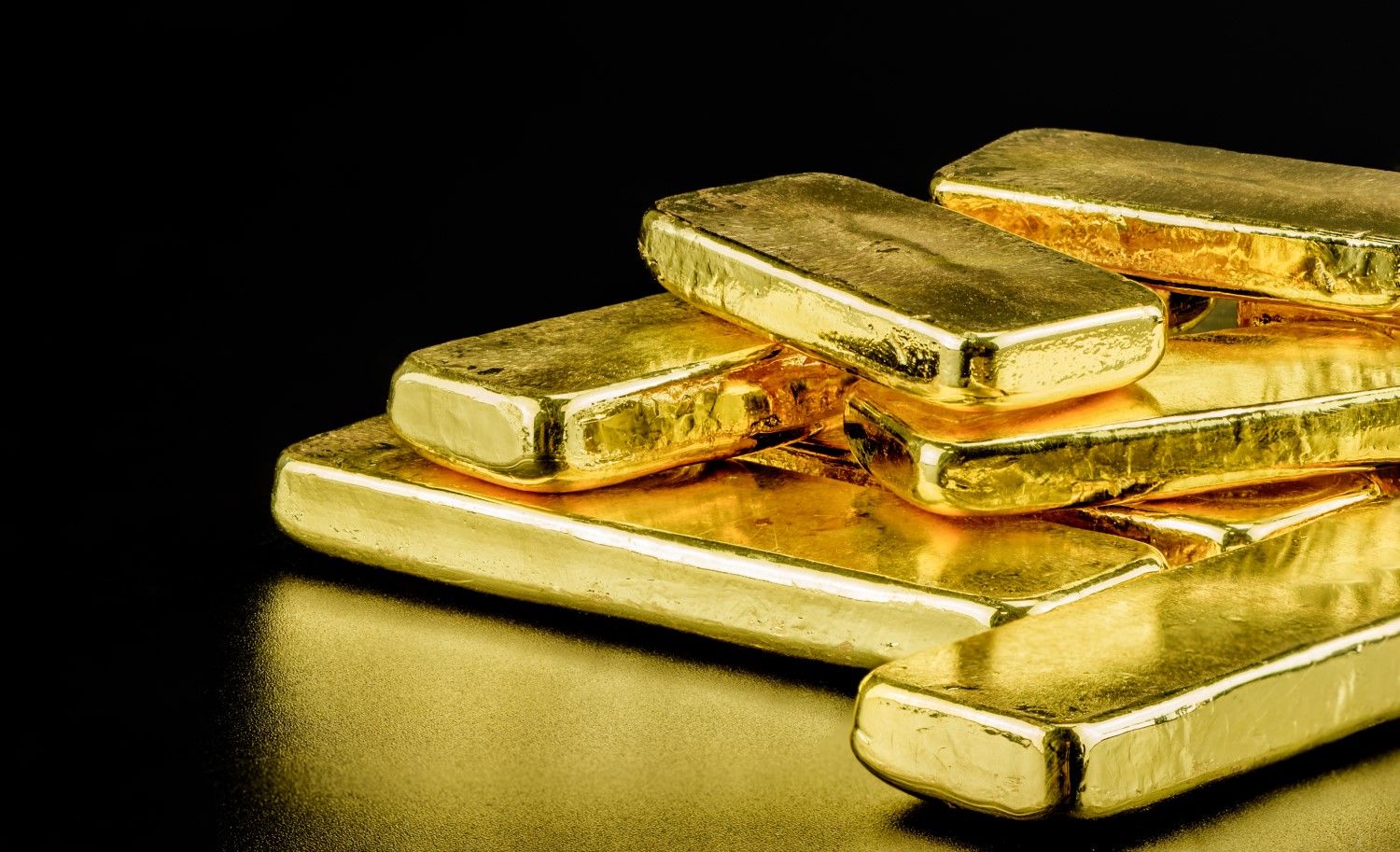
A tokenized commodity is a digital representation of a physical good—such as gold, oil, or agricultural products—issued on a blockchain. Each token is backed by a specific amount of the underlying asset that is held in a trusted custodian or vault. The token’s value is meant to track the market price of the commodity, while the blockchain provides transparent ownership records, instant transferability, and programmable features like smart‑contract‑based lending.
Key terms:
- Custodian: A regulated entity that physically stores the commodity and issues proof of ownership.
- Smart contract: Self‑executing code on a blockchain that enforces rules, such as automatically paying interest on a loan.
- Stablecoin: A cryptocurrency whose price is pegged to a stable asset, often a fiat currency or a commodity.
- Real‑world asset (RWA) token: A broader category that includes any token backed by a physical or financial asset outside the crypto ecosystem.
Tokenization bridges the gap between traditional commodity markets and decentralized finance (DeFi). By converting a barrel of oil or an ounce of gold into a token, owners can trade the asset 24/7, fractionalize ownership, and use it as collateral for lending without moving the physical commodity.
How does the tokenization process work?
1. Asset acquisition: A producer, miner, or trader purchases the physical commodity.
2. Custody and verification: The commodity is stored with a licensed custodian who conducts regular audits. The custodian issues a certificate of ownership that is recorded on the blockchain.
3. Token issuance: A smart contract mints a corresponding number of tokens, each representing a defined portion of the asset (e.g., one token = 1 gram of gold or 1 barrel of oil). The contract links the token to the custody certificate.
4. Trading and lending: Token holders can trade the tokens on compatible exchanges or lend them through DeFi platforms. Smart contracts automatically enforce loan terms, interest rates, and collateral liquidation.
5. Redemption: If a holder wants the physical commodity, they can request redemption. The custodian releases the asset in exchange for burning the tokens, ensuring the token supply always matches the underlying reserve.
Real‑world example
In September 2026, industry reports highlighted that tokenized commodities were expanding beyond traditional gold-backed tokens. New platforms began issuing tokens linked to oil reserves and offering lending products that let users earn yields by providing oil‑backed collateral. This shift illustrated how tokenization can open fresh markets, allowing participants to earn passive income from assets that were previously illiquid for most retail investors.
What this means for you
Tokenized commodities give everyday earners a way to diversify their portfolios with real assets without needing a brokerage account or large capital. You can buy fractional tokens, hold them as a hedge against inflation, or lend them to earn interest. Because the tokens are on a blockchain, transfers are fast and can be done from any internet‑connected device, making it easier to manage your holdings compared with traditional commodity contracts.
However, the benefits come with responsibilities. You rely on the custodian’s integrity, the smart contract’s code quality, and the regulatory environment governing commodity tokenization. Understanding these factors helps you gauge whether the potential returns justify the risks.
What to check before you dive in
- Custodian reputation: Verify that the custodian is licensed, conducts regular third‑party audits, and has a transparent track record.
- Smart contract audit: Look for independent security audits of the token’s smart contract. Audits reduce the risk of bugs that could lead to loss of funds.
- Regulatory compliance: Ensure the token complies with local securities and commodity regulations. Some jurisdictions treat tokenized commodities as securities, affecting how you can trade them.
- Liquidity: Check if the token is listed on reputable exchanges and whether there is sufficient trading volume to enter or exit positions without large price slippage.
- Redemption process: Understand how and when you can convert tokens back into the physical commodity, including any fees or minimum amounts.
FAQ
Can I own a whole barrel of oil with a token?
Yes, if a platform issues tokens that represent whole barrels. More commonly, tokens are fractional, so you might own 0.1 or 0.01 of a barrel, allowing smaller investors to participate.
Are tokenized commodities safer than traditional commodity futures?
Safety depends on the custodian and the smart contract. Tokenized assets avoid counterparty risk associated with futures contracts, but they introduce blockchain‑specific risks such as hacking or code bugs.
Do I earn interest just by holding a commodity token?
Holding alone typically does not generate interest. However, many platforms let you lend your tokens to borrowers, earning interest set by the smart contract. The rate varies with demand for the underlying commodity as collateral.
What happens if the custodian loses the physical commodity?
If the custodian fails to maintain the reserve, the token’s value could drop sharply. Reputable custodians mitigate this risk with insurance and regular audits, so always verify these safeguards before investing.
This article references reporting from coindesk.com.





