Do you wonder how laws passed in Washington can change the way you earn crypto online? This article explains the basics of U.S. cryptocurrency regulation, how legislation is crafted and approved, and what that means for people who mine, stake, or use cloud‑reward platforms.
What U.S. Crypto Regulation Actually Is
In the United States, cryptocurrency regulation is not handled by a single agency. Instead, several federal bodies share responsibility:
- SEC (Securities and Exchange Commission) – oversees tokens that qualify as securities, enforcing disclosure rules and protecting investors.
- CFTC (Commodity Futures Trading Commission) – treats most cryptocurrencies as commodities, regulating futures, swaps and fraud.
- FinCEN (Financial Crimes Enforcement Network) – enforces anti‑money‑laundering (AML) and know‑your‑customer (KYC) rules for crypto exchanges and custodians.
- IRS (Internal Revenue Service) – requires reporting of crypto transactions for tax purposes.
When a new bill is introduced, it typically proposes changes to one or more of these regulatory frameworks. The bill must pass both chambers of Congress (the House of Representatives and the Senate) and then be signed by the President to become law. If a proposal fails at any stage, the existing regulatory landscape remains unchanged.
How Legislation Impacts Crypto Earners
For everyday users who earn crypto through mining, staking, or cloud‑reward services, regulation can affect three main areas:
- Taxation and reporting – New rules may require more detailed record‑keeping or change the classification of earned tokens, influencing how income is taxed.
- Access to services – If a law tightens AML/KYC requirements, some platforms may restrict users from certain jurisdictions or impose stricter identity verification.
- Reward structures – Regulations that define a token as a security could limit how platforms distribute rewards, potentially reducing yields or altering payout schedules.
Real‑World Example: The Clarity Act Vote
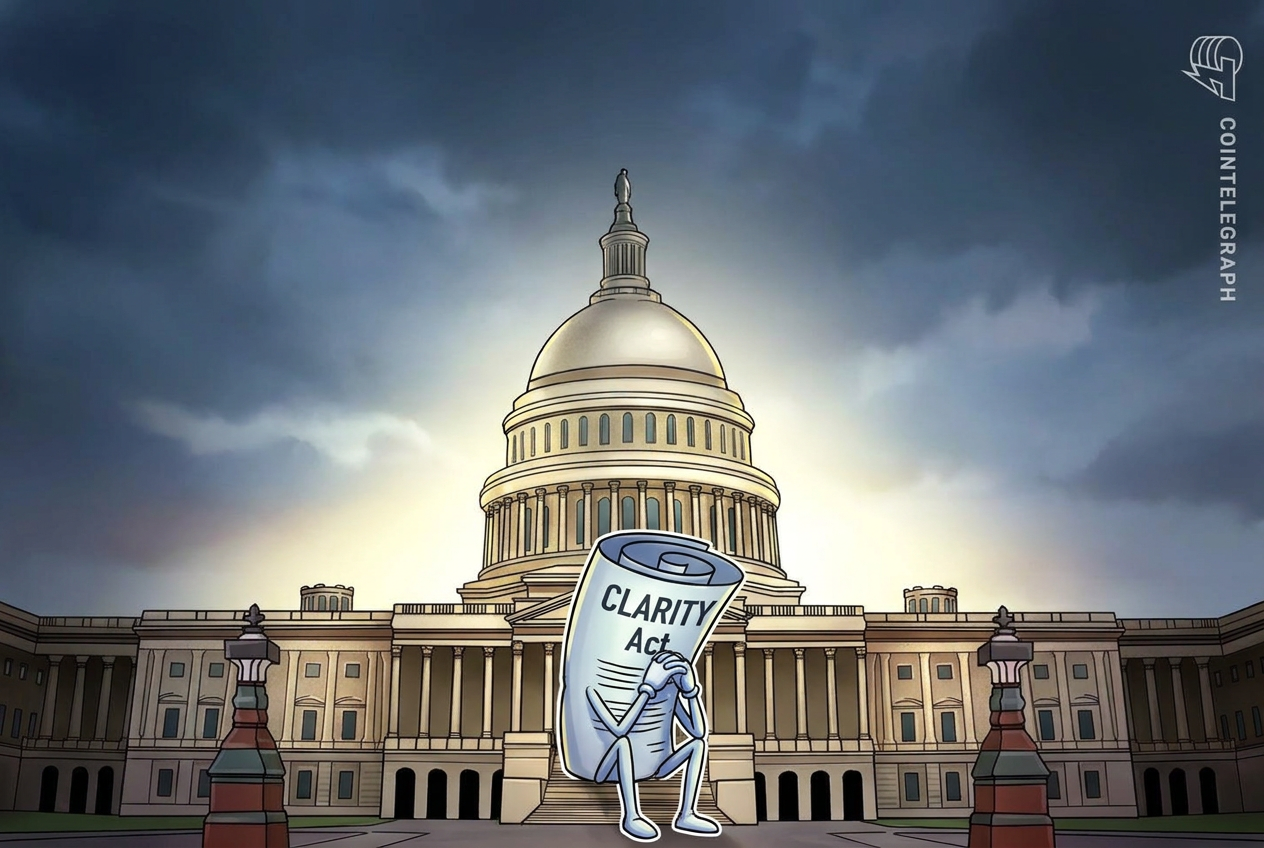
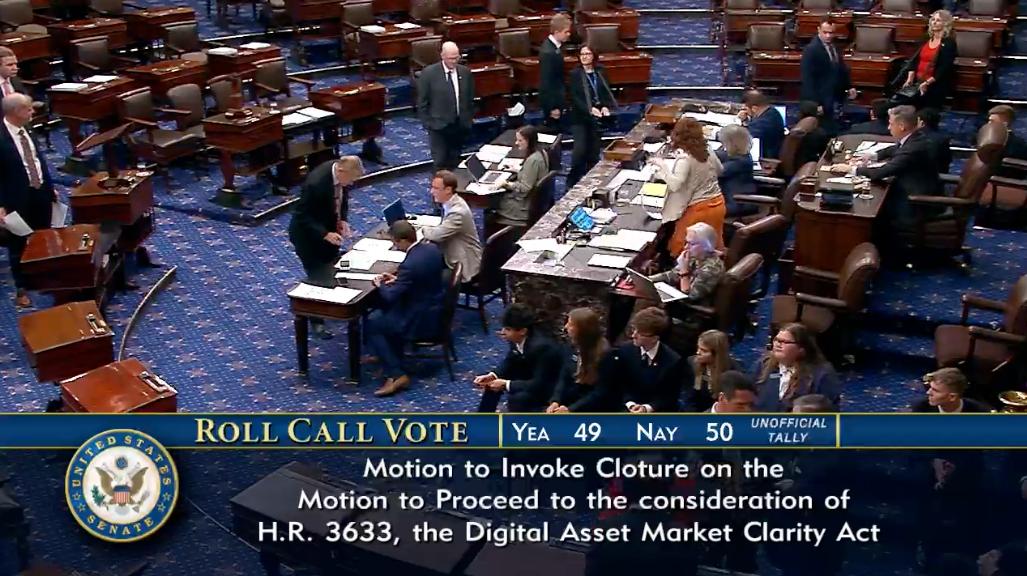
In March 2026, the U.S. Senate rejected the so‑called “Clarity Act,” a bipartisan effort aimed at providing clearer definitions for digital assets and establishing a unified regulatory approach. The bill’s failure meant that the fragmented regulatory environment continued, leaving miners, stakers, and cloud‑reward users to navigate the existing patchwork of rules.
What It Means for You
Because the Clarity Act did not pass, the status quo remains:
- You still need to track earnings for tax reporting, treating most crypto rewards as ordinary income at the time you receive them.
- Platforms may continue to apply varying KYC standards; some may require full verification, while others operate with lighter checks.
- Reward rates on mining pools or cloud‑reward services are unlikely to change due to regulatory pressure in the short term, but keep an eye on future proposals that could alter this.
How to Evaluate a Platform’s Compliance
When choosing where to earn crypto, consider these concrete steps:
- Check the platform’s licensing. Look for registrations with the SEC, CFTC, or state‑level money‑transmitter licenses.
- Review KYC/AML policies. Transparent platforms publish their verification requirements and explain how they protect user data.
- Understand tax reporting tools. Some services provide downloadable statements or integrate with tax software, simplifying compliance.
- Monitor regulatory news. Stay informed about upcoming bills or guidance from agencies, as these can affect platform operations.
FAQ
Is crypto mining considered a taxable activity?
Yes. In the U.S., the fair market value of mined coins at the moment they are received is treated as ordinary income and must be reported on your tax return.
Do I need to verify my identity to use a cloud‑reward service?
It depends on the service. Platforms that operate under strict AML rules usually require full KYC, while some smaller or decentralized services may allow limited participation without extensive verification.
Can a future law force me to stop earning rewards?
A law that reclassifies a token as a security could restrict how rewards are distributed, but outright bans are rare. Most changes would affect how platforms operate rather than directly prohibiting individual earnings.
How can I stay ahead of regulatory changes?
Follow updates from the SEC, CFTC, and FinCEN, and subscribe to reputable crypto‑focused newsletters that summarize legislative developments without hype.
This article references reporting from coindesk.com.