
Ever wonder whether betting on the outcome of a sports game or a political election is more like gambling or more like trading a financial contract? This article explains how prediction markets are classified under U.S. law, how the regulatory landscape works, and what you should consider before using these platforms to earn online.
What is a prediction market and how does it work?
A prediction market is an online platform where participants buy and sell contracts that pay out based on the outcome of a future event. Each contract, often called an event contract, represents a binary proposition – for example, “Candidate X will win the election” – and its price reflects the collective belief about the likelihood of that outcome.
When you purchase a contract, you are essentially taking a position that the event will occur. If it does, the contract settles at its maximum payout (usually $1 per contract). If it does not, the contract settles at zero, and you lose the amount you paid. Because the price moves with market sentiment, these contracts behave like derivatives, financial instruments whose value derives from an underlying event.
Derivatives come in many forms, such as futures, options, and swaps. A swap is a contract where two parties exchange cash flows based on the performance of an underlying variable. In the context of prediction markets, the “cash flow” is the payout that depends on whether the event happens or not. This technical similarity is why regulators often treat event contracts as a type of swap.
A real‑world illustration
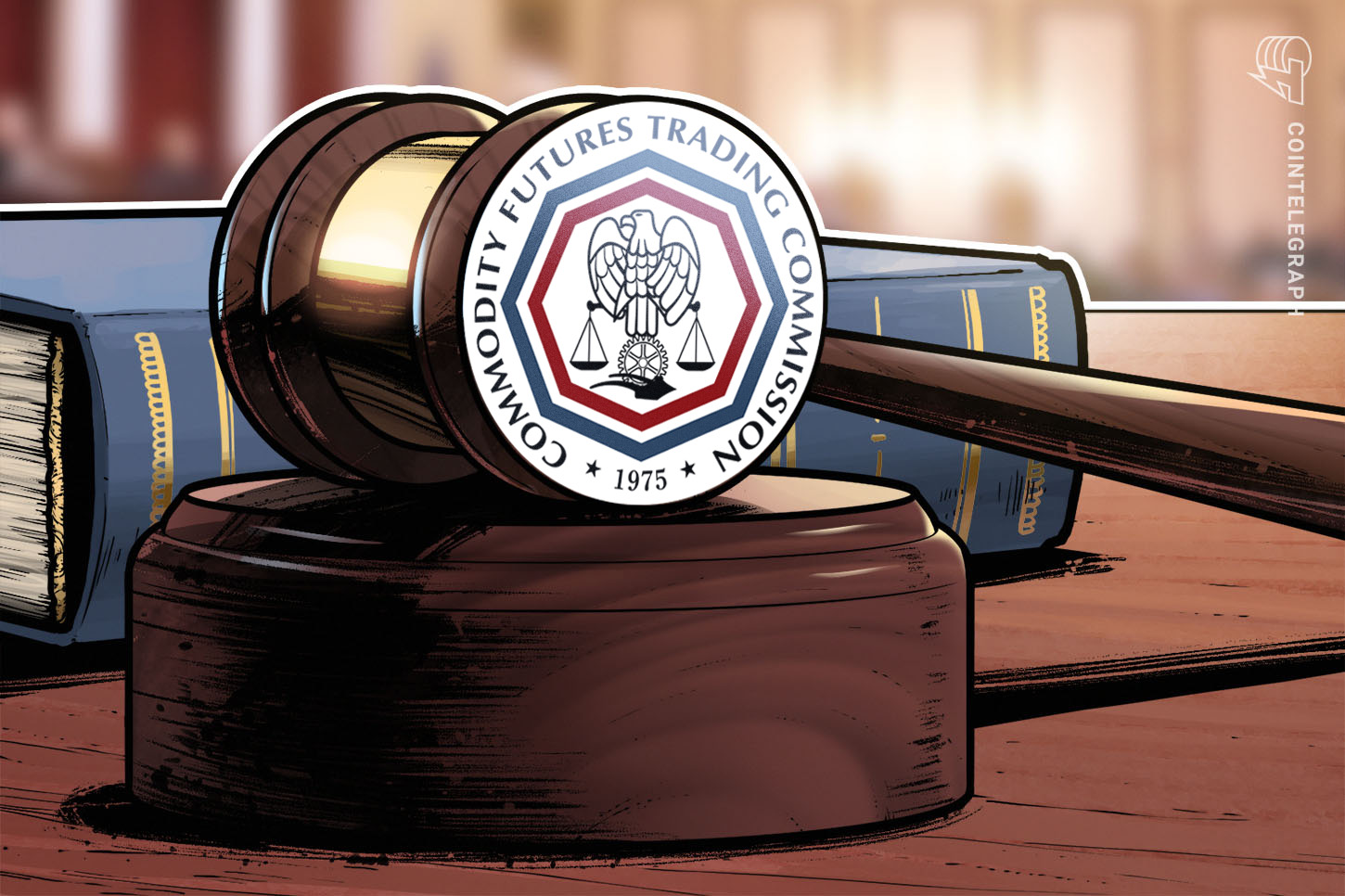
On October 11, 2026, the U.S. Commodity Futures Trading Commission (CFTC) filed two proposals aimed at clarifying this very issue. The first proposal would formally define event contracts—including those tied to sports, politics, cultural events, and weather—as swaps under federal law. The second proposal would explicitly exclude traditional casino‑style gambling products, such as sportsbook wagers and slot‑machine bets, from the swap definition.
These proposals were prompted by lawsuits from several states against prediction‑market operators like Kalshi and Polymarket, which alleged that the platforms were running illegal gambling operations. The CFTC’s counter‑lawsuit argues that, because event contracts are swaps, they fall under the agency’s exclusive jurisdiction under the Commodity Exchange Act, not under state gambling regulators.
What this means for you as a participant
If the CFTC’s proposals become final regulations, prediction‑market contracts will be overseen by a federal agency rather than by individual state gambling commissions. This shift can affect you in several ways:
- Transparency and reporting: Swap regulators require detailed reporting of contract specifications, trading volumes, and participant identities. Platforms may need to collect more information from users, which could affect privacy.
- Consumer protections: Federal oversight typically includes rules on market manipulation, fraud prevention, and dispute resolution, potentially offering stronger safeguards than some state gambling laws.
- Access and availability: Because swaps are regulated at the federal level, a platform that complies with CFTC rules could operate nationwide, reducing the patchwork of state bans that currently limits where users can trade.
- Tax treatment: Gains from swaps are generally treated as capital gains or ordinary income, depending on the user’s overall tax situation, whereas gambling winnings are taxed as ordinary income. Clarifying the classification helps users report earnings correctly.
How to evaluate a prediction‑market platform
Before you start trading event contracts, consider these concrete checks:
- Regulatory status: Look for clear statements that the platform is registered with, or has applied for registration with, the CFTC. A lack of such information may indicate the platform operates in a legal gray area.
- Contract specifications: Review the terms of each contract. Legitimate swaps will include details such as settlement price, payout formula, and expiration date.
- Liquidity and volume: Higher trading volume usually means tighter pricing and easier entry/exit. Low‑volume markets can be risky because you may be unable to close a position at a fair price.
- Security measures: Ensure the platform uses industry‑standard encryption, two‑factor authentication, and has a history of protecting user funds.
- Fee structure: Understand all fees—trading fees, withdrawal fees, and any platform‑level commissions—so you can calculate net earnings accurately.
FAQ
Is trading on a prediction market the same as gambling?
While both involve risk and uncertain outcomes, prediction markets are structured as financial contracts (swaps) that reflect collective expectations, whereas casino gambling is a game of chance without a market‑driven price mechanism. The regulatory distinction hinges on this structural difference.
Do I need a broker to trade prediction‑market contracts?
Most platforms act as both the exchange and the broker, allowing you to open an account directly. However, if a platform is regulated as a swap exchange, it may require you to meet certain eligibility criteria similar to those for other derivatives markets.
What taxes do I owe on winnings from prediction markets?
In the United States, profits from swaps are generally treated as capital gains or ordinary income, depending on how long you hold the contract and your overall tax situation. It is advisable to keep detailed records and consult a tax professional.
Can I lose more than I invest?
Unlike some leveraged derivatives, most prediction‑market contracts have a maximum loss equal to the amount you paid for the contract. However, if a platform offers margin or leveraged products, you could incur larger losses, so read the terms carefully.
This article references reporting from cointelegraph.com.





