
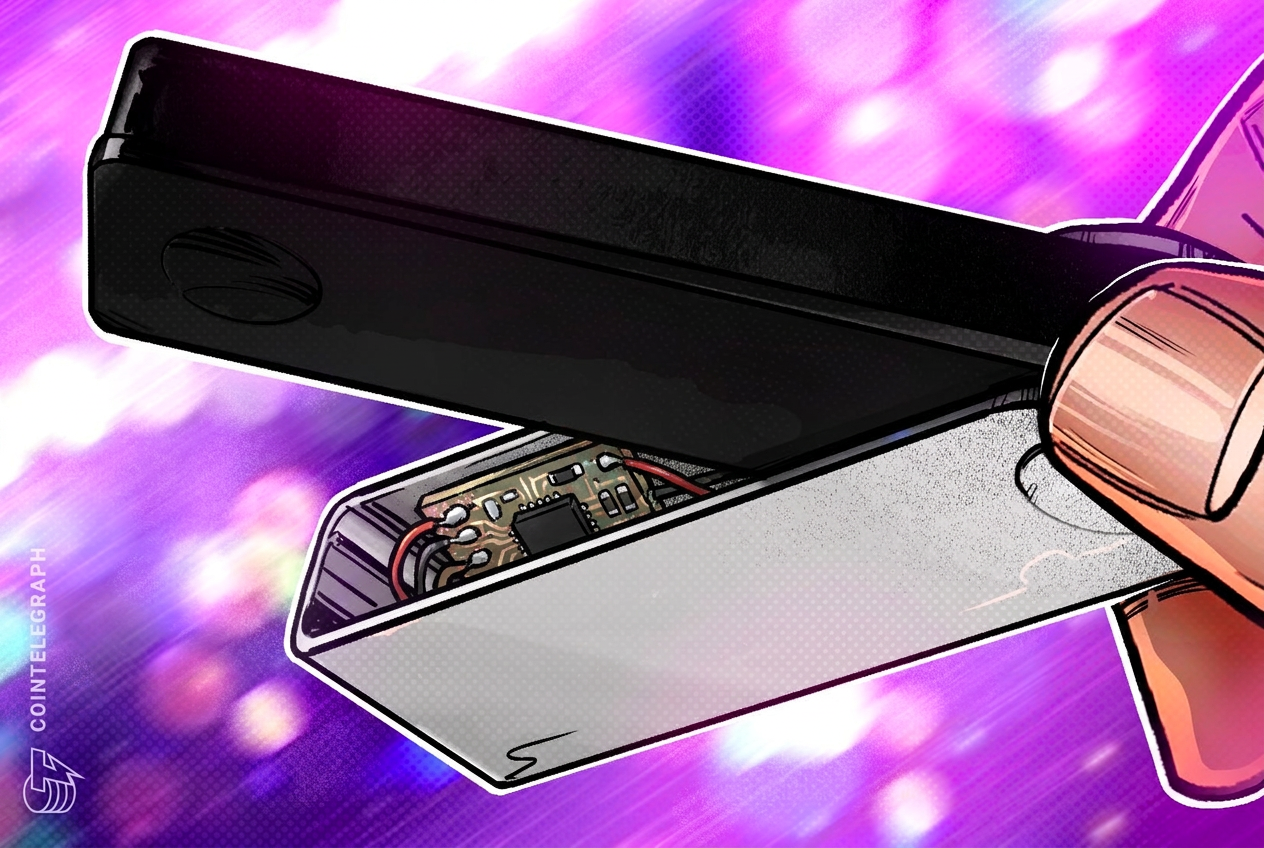
Are you worried that the device you use to store your crypto could be compromised before you even open it? This article explains how supply‑chain attacks on hardware wallets happen, what the risks are, and what steps you can take to keep your assets safe.
What a hardware wallet is and why it matters
A hardware wallet is a small, offline device that stores the private keys needed to move cryptocurrency. Private keys are like secret passwords; anyone who has them can control the funds. Because the keys never leave the device, hardware wallets are considered one of the safest ways to store crypto compared to software wallets that run on internet‑connected computers.
When you first receive a wallet, you set it up by creating a seed phrase—a list of 12‑24 words that can regenerate your private keys. As long as you keep the seed phrase private and the device itself is untampered, your funds remain secure.
How a supply‑chain attack can infiltrate a hardware wallet
A supply‑chain attack targets the process of getting a product from the manufacturer to the end user. In the case of hardware wallets, the attacker may insert malicious components or alter the firmware during manufacturing, packaging, or distribution. Because the device is designed to be used offline, a hidden implant can go unnoticed until the user tries to set it up.
Typical methods include:
- Hardware implants: Tiny chips added to the circuit board that can leak private keys or modify transaction data.
- Firmware tampering: Modified software that appears legitimate but includes back‑doors.
- Counterfeit devices: Cloned wallets that look identical but contain malicious code.
These attacks are especially dangerous because they can bypass the usual security checks that rely on the device being “brand new” and “untouched.”
Real‑world illustration: Ledger’s Southeast Asian incident
In October 2026, Ledger announced that an investigation into crypto losses linked to a Southeast Asian reseller had uncovered an unauthorized hardware implant in at least one device. The reseller, CryptoBilis, operated in Indonesia, Malaysia, and the Philippines and was listed as an authorized Ledger partner. Ledger warned affected users not to set up the device or, if already set up, to move assets to a new Ledger signer with a fresh seed. The estimated losses across Bitcoin, Ethereum and Tron may exceed $86 million.
What this means for you
If you rely on a hardware wallet for passive income, staking or cloud rewards, a compromised device could give an attacker full control of the funds you are trying to earn. The loss is not limited to the initial balance; any future earnings routed through the wallet are also at risk. Therefore, securing the device from the moment you receive it is essential.
How to evaluate a hardware wallet’s safety
- Buy directly from the manufacturer or an authorized reseller. Verify the reseller’s status on the official website.
- Check the device’s tamper‑evidence features. Many wallets have holographic seals or tamper‑evident stickers; any broken seal should be a red flag.
- Verify firmware signatures. When you first connect the device, the official app will check that the firmware is signed by the manufacturer’s cryptographic key.
- Initialize the device yourself. Never use a pre‑initialized wallet; generate the seed phrase on the device in a secure environment.
- Consider a “cold‑air‑gap” backup. Store your seed phrase offline, separate from the device, and use a secondary hardware wallet for high‑value assets.
FAQ
Can I trust a hardware wallet bought on a secondary market?
No. Second‑hand devices may have been tampered with or already contain a compromised seed. Always purchase a brand‑new unit from an official source.
What should I do if I suspect my wallet is compromised?
Stop using the device immediately. Transfer all assets to a new wallet generated on a trusted device, and consider reporting the incident to the manufacturer’s bounty or support program.
Is a hardware wallet 100 % safe?
It offers the highest level of protection among consumer‑grade solutions, but no system is invulnerable. Proper sourcing, verification and handling are required to maintain that security.
Do software updates increase the risk of a supply‑chain attack?
Updates themselves are safe when they are signed by the manufacturer and installed through the official app. However, a compromised device could reject legitimate updates, so always verify the signature before installing.
This article references reporting from cointelegraph.com.





