Ever wonder how law‑enforcement agencies can take control of Bitcoin or other digital assets? This article explains the mechanics behind crypto seizures, how authorities track and freeze funds, and what the process means for anyone holding crypto.
What a crypto seizure actually is
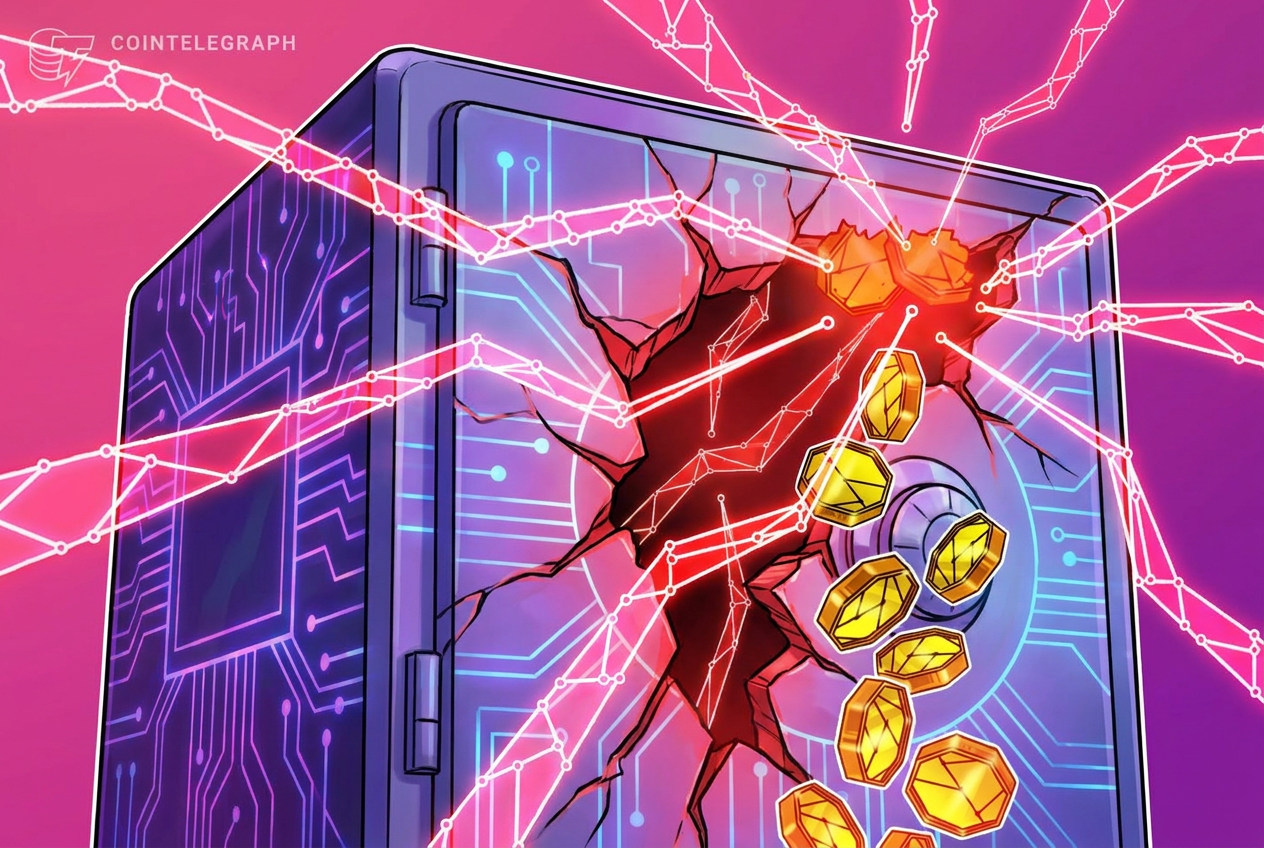
A crypto seizure is the legal taking of digital assets by a government or law‑enforcement body. Unlike traditional bank accounts, cryptocurrencies live on a public ledger called a blockchain. Every transaction is recorded in a chain of blocks that anyone can view, but the owners are identified only by cryptographic addresses—strings of letters and numbers.
To seize assets, authorities must first identify the address that holds the illicit funds. Once an address is linked to a crime, a court order can compel the holder of that address—often a cryptocurrency exchange, wallet service, or even a private individual—to transfer the funds to a government‑controlled wallet. Because the blockchain is immutable, the transfer is recorded permanently, providing a clear audit trail.
Key terms:
- Address: A unique identifier on a blockchain that can receive and send funds.
- Private key: A secret code that proves ownership of an address and allows the holder to move the funds.
- Cold wallet: A storage method that keeps private keys offline, reducing the risk of hacking.
- Exchange: A platform that matches buyers and sellers of crypto and often holds users’ assets in custodial wallets.
How authorities trace crypto
Tracing begins with blockchain analysis tools. Companies such as Chainalysis, CipherTrace, and Elliptic specialize in mapping the flow of funds across addresses, labeling clusters that belong to exchanges, mixers, or known criminal entities. By following transaction paths, investigators can often link a suspicious address to a real‑world identity, especially when the funds pass through a regulated exchange that follows Know Your Customer (KYC) rules.
When an address is tied to illegal activity—money laundering, fraud, ransomware, or sanctions violations—authorities may obtain a warrant. The warrant typically orders the seizure of the specific amount of cryptocurrency held at the identified address. If the assets are on an exchange, the platform must freeze the balance and transfer it to a government wallet. If the funds are in a private wallet, investigators may request the private key from the holder or, in some cases, use court orders to compel cooperation.
Real‑world example
In March 2026, Chinese authorities announced the seizure of approximately 61,800 BTC linked to a $5.7 billion fraud scheme. Investigators traced the stolen coins through multiple transactions and exchanges, eventually identifying the wallets used to launder the proceeds. A court order forced the exchange holding those wallets to transfer the Bitcoin to a government‑controlled address, effectively removing the illicit funds from circulation.
What this means for you
If you hold cryptocurrency, a seizure does not automatically affect your personal holdings—only the specific addresses identified in a legal action. However, the broader impact includes:
- Increased scrutiny: Exchanges may tighten KYC and transaction monitoring, making it harder to move large sums anonymously.
- Market perception: High‑profile seizures can signal that regulators are actively pursuing illicit activity, which may affect confidence in certain platforms.
- Risk of accidental involvement: If you inadvertently receive funds from a seized address, you could become entangled in a legal investigation.
How to protect yourself
While you cannot prevent law‑enforcement from acting against illegal activity, you can reduce the chance of unintentionally receiving tainted funds:
- Use reputable exchanges: Choose platforms that enforce strict KYC and anti‑money‑laundering (AML) policies.
- Avoid mixers and tumblers: Services that obscure transaction trails are often flagged by authorities and can expose you to legal risk.
- Maintain clear records: Keep documentation of how you acquired each asset, especially if you receive large transfers.
- Stay informed: Follow updates from regulators and reputable news sources to understand evolving compliance requirements.
FAQ
Can a government seize crypto that’s stored in my personal wallet?
Only if they can legally compel you to hand over the private key or if a court orders you to transfer the funds. Without access to the key, the assets remain out of reach.
Will a seizure affect the price of the cryptocurrency?
Large seizures can temporarily impact market sentiment, but the overall price is driven by many factors. A single seizure rarely causes a lasting price shift.
What should I do if I receive a transaction from a known seized address?
Document the receipt, stop using the funds until you can verify their source, and consider seeking legal advice to ensure you’re not inadvertently involved in illicit activity.
Are privacy‑focused coins like Monero immune to seizures?
Privacy coins obscure transaction details, making tracing more difficult, but authorities can still target exchanges or wallets that hold them. Seizure is possible if the assets are held on a platform subject to legal orders.
This article references reporting from coindesk.com.